Topics
- Understanding the Reasons Behind Crying: The First Step in Soothing a Crying Baby
- Techniques to Soothe Crying
- The Importance of Environment
- Communication and Body Language
- Massage Techniques
- Technology and Apps
- The Medical Approach
- The Importance of Support Network
- Continued Education
- The Psychological Approach
- Calming Yourself as Parents
Calming a crying baby is one of the most challenging yet rewarding tasks parents face. Understanding your baby’s cries and finding effective strategies for soothing them can be a complex journey. This comprehensive guide delves into common reasons for crying and offers proven strategies for “Soothing a Crying Baby.” From recognizing signs of hunger, sleep, or discomfort to medical and psychological approaches, our aim is to equip you with the necessary tools to turn crying moments into opportunities for mutual learning and growth.
Understanding the Reasons Behind Crying: The First Step in Soothing a Crying Baby

Hunger, Sleep, or Discomfort?
Crying can be a sign of hunger, sleep, or discomfort. Learning to recognize these signs can help you respond quickly. For example, if the baby is crying due to hunger, breastfeeding might be the solution.
Health and Well-being
Crying can also be a sign of health issues. If the crying persists and is inconsolable, consulting a healthcare professional may be helpful.
Techniques to Soothe Crying
Touch and Comfort
Gentle touch and rocking can soothe many babies. Skin-to-skin contact is also effective.
Calming Sounds
Soft music or nature sounds can help. Some parents find calming sound apps useful.
Sleep Routine
Establishing a consistent sleep routine is vital for calming the baby’s crying. This includes calming activities and regular bedtime schedules, helping the baby understand when it’s time to relax. A well-established routine reduces crying related to fatigue and promotes deeper, more restorative sleep for both the baby and the parents.
The Importance of Environment

Calm and Welcoming Environment
Creating a calm and welcoming environment can do wonders for soothing a crying baby. Soft lights, neutral colors, and a pleasant temperature can help the baby feel safe and comfortable.
Space Organization
Keeping the space organized and free from excessive stimuli can help the baby focus and relax. Avoid noisy toys or bright colors that may overwhelm the baby’s senses.
Communication and Body Language
Speaking Calmly
Speaking calmly and softly can reassure the baby. Repeating simple words and phrases can also be comforting.
Body Language
Parents’ body language is also important. Smooth movements and calm facial expressions can convey safety to the baby.
Massage Techniques

Infant Massage
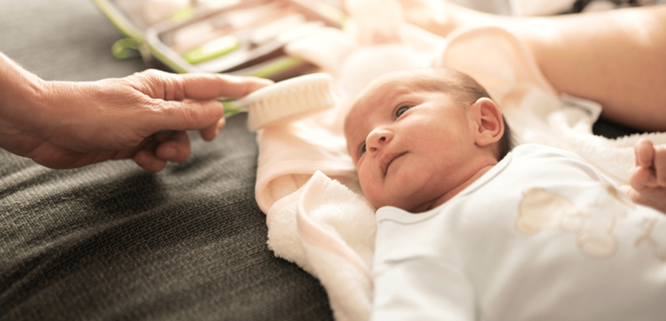
Infant massage is a wonderful technique for soothing the baby. Gentle and rhythmic movements can help relax tense muscles and promote a sense of well-being.
Natural Oils and Products
Using natural oils like lavender oil can enhance the calming effect of the massage. Make sure to choose products suitable for the baby’s sensitive skin.
Technology and Apps
Monitoring Apps
There are apps that can help parents understand the baby’s crying patterns, offering personalized insights and suggestions.
Therapeutic Music and Sounds
Technology also offers a variety of music and therapeutic sounds designed specifically to soothe babies.
The Medical Approach
Consultation with Pediatrician
If the baby’s crying persists and seems unusual, a consultation with a pediatrician may be necessary. The doctor can assess the baby’s overall health and rule out any underlying medical issues.
Alternative Therapies
Some families opt to explore alternative therapies like pediatric acupuncture or chiropractic care to address specific issues causing excessive crying.
The Importance of Support Network
Support Groups
Joining parent support groups can be an excellent way to learn new techniques and share experiences. The sense of community and understanding can be comforting.
Support from Friends and Family
Having friends and family who offer emotional and practical support can make a big difference in parents’ ability to cope with the baby’s crying.
Continued Education
Workshops and Courses
Participating in workshops and courses on childcare can enrich parents’ knowledge and provide practical tools for dealing with baby crying.
Books and Publications
There are many books and publications dedicated to childcare. Continuous reading can offer valuable insights and proven techniques.
The Psychological Approach
Understanding Baby’s Temperament
Each baby has a unique temperament, and understanding this can help tailor approaches to soothe crying. Some children may be more sensitive to stimuli, while others may be more resilient.
The Importance of Routine
Establishing a daily routine can help the baby feel secure and predictable. This includes regular schedules for feeding, naps, and playtime.
Calming Yourself as Parents
Relaxation Techniques for Parents
Calming the baby’s crying also involves calming yourself as parents. Deep breathing techniques, meditation, and self-care can help parents remain calm and focused.
Seek Professional Help if Necessary
If the baby’s crying is affecting the parents’ mental health, seeking professional help like therapy or counseling may be a wise option.
Calming a crying baby is a journey that requires understanding, patience, and a multifaceted approach. With the right combination of techniques, support, and education, parents can turn the challenge of a crying baby into a mutual learning and growth experience.
The key is to be open to learning, experimenting, and finding what works best for your baby. With love, care, and dedication, the baby’s crying can become an opportunity to strengthen the bond and connection between parents and children.
- Scientists Say They’ve Found The Most Effective Way to Soothe a Crying Baby
- How to soothe your crying baby, according to science
Why is my baby crying?
Your baby could be crying for a variety of reasons such as hunger, sleepiness, discomfort, or even health issues. It’s essential to observe other signs and symptoms to determine the cause.
How to stop baby crying?
Stopping a baby’s cry involves addressing the root cause. This could mean feeding the baby, changing their diaper, or rocking them to sleep. Sometimes, a medical consultation may be necessary.
What does my baby’s cry mean?
Different cries can signify different needs. A high-pitched cry might indicate pain, while rhythmic crying could mean the baby is hungry. Learning to distinguish between these can be helpful.
How to soothe a crying baby?
Soothing techniques include rocking, swaddling, or playing soft music. Skin-to-skin contact and breastfeeding are also effective ways to soothe a crying baby.
How to deal with a crying baby?
Dealing with a crying baby requires patience and a variety of techniques. These can range from feeding and diaper changing to creating a calming environment.
How to get baby to sleep?
Establishing a consistent sleep routine that includes calming activities like reading or bathing can help signal to the baby that it’s time to sleep.
How to calm a crying baby?
Calming a crying baby often involves a combination of techniques such as rocking, feeding, and providing a soothing environment.
How to comfort a crying baby?
Comforting a baby can be achieved through holding them close, offering a pacifier, or engaging in gentle rocking or swaying motions.
How to console a crying baby?
Consoling a crying baby may involve using comforting objects like a soft blanket or a favorite toy, in addition to physical comfort like hugging or rocking.
How to stop baby crying at night?
Stopping nighttime crying might involve ensuring the baby is not hungry, sick, or experiencing any discomfort. A consistent sleep routine can also help.
How to stop baby crying from colic?
For colic, consult a pediatrician for diagnosis and treatment options. Some parents find that gripe water or colic drops can be helpful.
How to stop baby crying from hunger?
If the baby is crying from hunger, the immediate solution is to feed them, either through breastfeeding or formula feeding.
How to stop baby crying from diaper rash?
For diaper rash, frequent diaper changes and the use of a zinc oxide cream can provide relief and stop the crying.
How to stop baby crying from teething?
Teething gels or a cold teething ring can provide relief from teething pain and subsequently stop the crying.
How to stop baby crying from separation anxiety?
For separation anxiety, short practice sessions of leaving the baby with a trusted caregiver can help them get used to the idea of separation.
How to stop baby crying from illness?
If the baby is crying due to illness, a consultation with a healthcare provider for proper diagnosis and treatment is crucial.
Understanding why your baby is crying can be a challenging but crucial part of parenting. The sound of a crying baby can trigger immediate concern and the need for effective solutions. Whether it’s hunger, sleepiness, or discomfort, the first step in stopping the tears is figuring out why is my baby crying. Once you’ve identified the cause, you can employ various techniques to stop baby crying. For instance, if the baby is hungry, feeding them will usually do the trick. But sometimes, the cry might be more ambiguous, leaving parents wondering, what does my baby’s cry mean? In such cases, a healthcare consultation may be necessary to rule out any underlying issues.
When it comes to how to deal with a crying baby, a multifaceted approach often works best. How to soothe a crying baby involves a combination of techniques such as rocking, swaddling, or even playing soft lullabies. If sleep is the issue, knowing how to get baby to sleep through a consistent bedtime routine can be a lifesaver. Creating a calming environment is also key in learning how to calm a crying baby. Soft lighting, gentle music, and a comfortable room temperature can all contribute to a more peaceful atmosphere, making it easier for both the baby and the parents to relax and enjoy precious moments together.