
 Equipe Guias Maternos
Topics
Hello, future parents and caregivers! If you’re looking for reliable guidance on Healthy Eating During Pregnancy and Childhood, you’ve come to the right place. In this space, we will unravel the secrets of balanced nutrition that starts in the womb and extends throughout childhood. We will offer practical advice and evidence-based information to ensure that you and your child enjoy a healthy and happy life.
Healthy Eating During Pregnancy: Building the Foundations of Baby’s Health
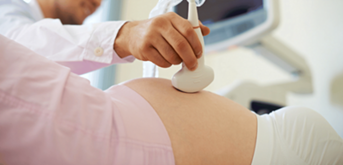
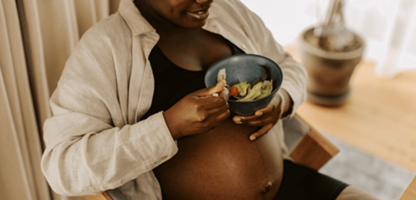
Healthy eating during pregnancy is crucial for the baby’s healthy development and the mother’s well-being. Here are some valuable tips to ensure proper nutrition during this special period:
- Quality Proteins: Consume lean meats, chicken, fish, eggs, legumes, and dairy, which are essential protein sources for the baby’s growth and development.
- Iron-rich Foods: Include red meat, chicken, fish, legumes, dark leafy vegetables, and iron-fortified cereals in your diet, as iron is vital for oxygen transport in both the mother’s and baby’s bodies.
- Calcium Sources: Calcium is necessary for the baby’s bone and teeth formation. Consume milk and its derivatives, as well as dark leafy vegetables like kale and broccoli.
- Folic Acid: This nutrient is essential to prevent neural tube defects in the baby. Besides the supplements recommended by your doctor, invest in foods like green leaves, citrus fruits, beans, and fortified cereals.
Extending Healthy Eating from Pregnancy to Childhood: Creating Lifelong Healthy Habits
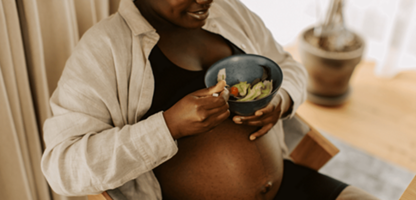
Proper nutrition is crucial for the physical, cognitive, and emotional development of children from birth to childhood. Here are some tips for building healthy eating habits:
- Exclusive Breastfeeding: Breast milk is the ideal food for newborns, rich in nutrients and antibodies. If possible, exclusively breastfeed until 6 months and continue until 2 years or more, as advised by your doctor.
- Gradual Food Introduction: From 6 months onwards, it’s time to include solid foods in the baby’s diet. Start with purees and fruit and vegetable mashes, and gradually introduce new foods, respecting the child’s individuality and preferences.
- Diverse Diet: Encourage the consumption of different natural and minimally processed foods, providing a balanced and nutrient-rich diet.
- Establish Routines: Creating regular meal and snack times helps establish healthy eating habits and prevents excessive food intake.
Healthy eating, both during pregnancy and childhood, is essential for the healthy development and well-being of our little ones. By providing a balanced and nutrient-rich diet, we are investing in the health and future of our children. Remember, as parents, we are the biggest role models for our children, so it’s crucial to take care of our own diet and healthy habits.
We hope this post on “Healthy Eating During Pregnancy and Childhood” has been useful and informative, encouraging you to explore even more the universe of nutrition and motherhood. Follow our blog for more tips and advice on how to take care of your family with love and wisdom. See you in the next post!
Reference
Academy of Nutrition and Dietetics
Common Questions
What foods should I eat during pregnancy?
Focus on a balanced diet rich in lean proteins, fruits, vegetables, whole grains, and low-fat dairy. Foods high in folic acid, iron, and calcium are especially important for your baby’s healthy development.
What foods should I avoid during pregnancy?
Avoid raw or undercooked foods like sushi and rare meats, as well as unpasteurized dairy products. Limit caffeine intake and completely avoid alcohol and processed foods.
How many times should I eat per day during pregnancy?
Aim for 5 to 6 smaller meals throughout the day to maintain energy levels and prevent blood sugar spikes.
How many calories should I eat per day during pregnancy?
The caloric increase can vary, but it’s generally recommended to consume about 300 extra calories per day during pregnancy.
How does my diet affect my baby?
A balanced and nutrient-rich diet is crucial for your baby’s healthy development, affecting their growth, brain development, and even their taste preferences.
What are the most important nutrients for pregnant women?
Folic acid, iron, calcium, and proteins are some of the most important nutrients during pregnancy to support your baby’s healthy development.
How can I prevent excessive weight gain during pregnancy?
Maintain a balanced diet and engage in moderate exercise, always with medical guidance, to prevent excessive weight gain during pregnancy.
What are the risks of an unhealthy diet during pregnancy?
An inadequate diet can lead to complications like gestational diabetes, hypertension, and even the risk of premature birth or low birth weight.
How to prepare healthy meals for pregnant women?
Opt for healthy cooking methods like grilling, baking, or steaming. Include a variety of fruits, vegetables, and lean proteins in each meal.
How to deal with changes in appetite during pregnancy?
It’s common to experience appetite changes during pregnancy. Listen to your body and adjust your diet as needed, always focusing on nutrient-rich foods.
How to deal with morning sickness during pregnancy?
Frequent small meals and the consumption of ginger or herbal teas can help alleviate morning sickness. Consult a doctor for more specific treatment options.
How to deal with constipation during pregnancy?
Increasing fiber and water intake can help relieve constipation. Light exercises can also be beneficial.
How to deal with heartburn during pregnancy?
Avoid spicy or acidic foods and eat smaller meals throughout the day to minimize heartburn. Antacids can be used after consulting a doctor.
How to deal with gestational diabetes?
Gestational diabetes can be managed through a careful diet, exercise, and regular monitoring of blood sugar levels. It’s crucial to follow medical guidelines for effective treatment.
Navigating the journey of healthy eating during pregnancy can be both exciting and challenging. A well-balanced pregnancy diet is crucial for the well-being of both the mother and the baby. Knowing the right foods to eat during pregnancy, such as lean proteins, fruits, and vegetables, is as important as understanding the foods to avoid during pregnancy, like raw fish and unpasteurized dairy. It’s not just about eating more; it’s about consuming the right calories during pregnancy and focusing on essential nutrients during pregnancy such as folic acid, iron, and calcium. These nutrients not only support the baby’s development but also help manage weight gain during pregnancy, ensuring it stays within a healthy range.
Ignoring the importance of a balanced diet can expose you to the risks of an unhealthy diet during pregnancy, including gestational diabetes and hypertension. Therefore, preparing meals for pregnant women should be done with care and attention to nutritional value. Opt for cooking methods like grilling and steaming, and always include a variety of nutrient-rich foods in each meal. By being mindful of these factors, you can pave the way for a healthier pregnancy and a brighter future for your child.


Leave a Reply